

When winter settles in across North Carolina, the last thing any homeowner wants is a failing heating system. Cold temperatures can put a lot of stress on your HVAC equipment, leading to issues that may impact comfort, safety, and energy bills. At Carolina Cool Heating & Air, we know how frustrating winter HVAC problems can be, especially when they happen unexpectedly. The good news is that most issues can be prevented with the right care and attention.
We’ll walk through the most common HVAC problems homeowners experience during the winter months and what steps you can take to avoid them. With proper maintenance and a little planning, you can keep your home warm and your system running smoothly all winter long.
1. Heater Not Producing Enough Warm Air
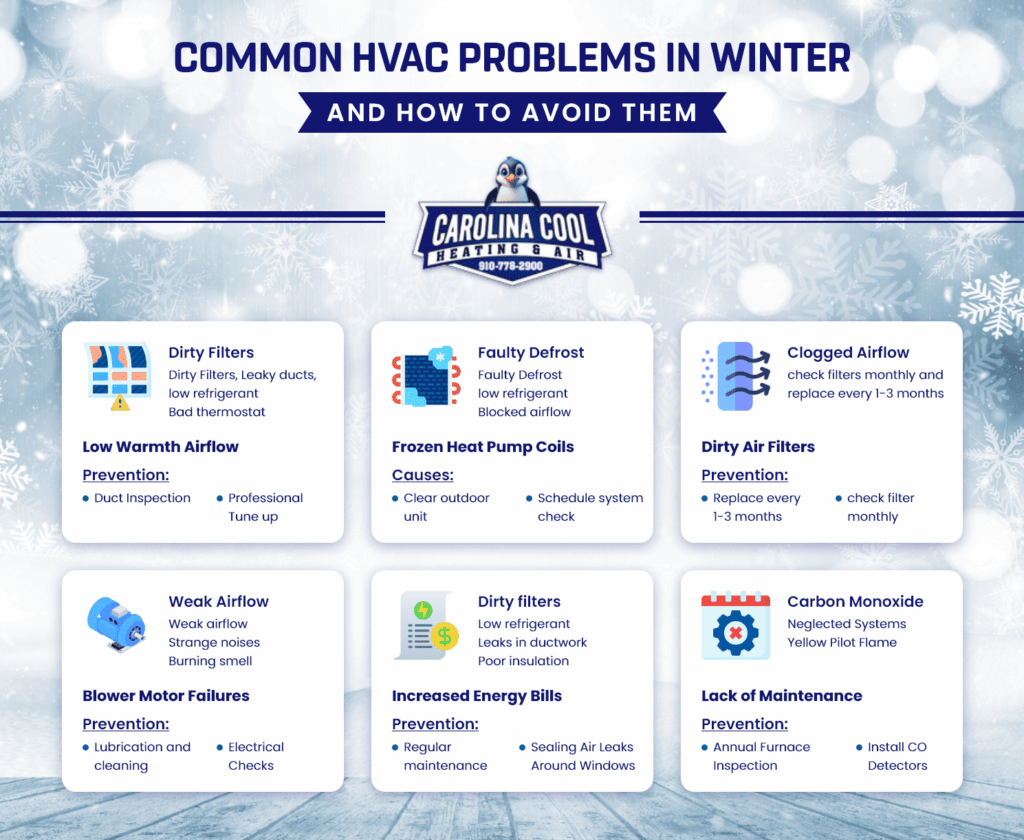
One of the most common winter complaints is a heating system that runs constantly but never warms the house enough. Several things can cause this:
- Dirty air filters
- Leaky ductwork
- Low refrigerant in heat pump systems
- A malfunctioning thermostat
- Worn or damaged components
When airflow is blocked or the system is struggling to run efficiently, the heater can’t produce enough warm air to reach your set temperature.
How to avoid it:
Change your air filter every 30–60 days during winter. A dirty filter can limit airflow and make your system work harder. Also, have a professional from Carolina Cool Heating & Air inspect your ductwork and check refrigerant levels during your seasonal tune-up. Proper maintenance is the easiest way to prevent weak heating and keep your home comfortable.
2. Frozen Heat Pump Coils
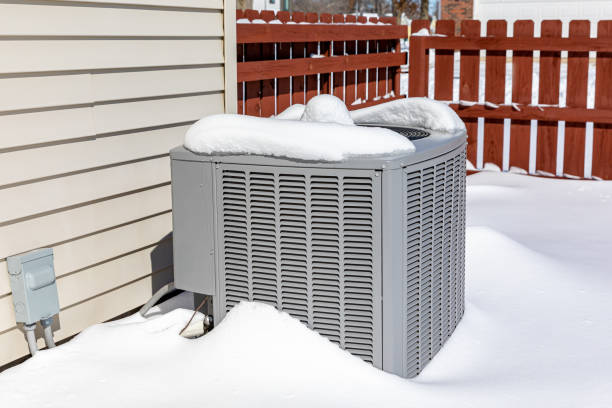
Heat pumps are very popular throughout North Carolina, but low outdoor temperatures can cause frost or ice to build up on the outdoor unit. Some frost is normal, but a completely frozen heat pump is a sign of a problem. Ice blocks airflow and keeps the system from absorbing heat, making your home colder.
Common causes include:
- Faulty defrost cycle
- Low refrigerant
- Dirty coils
- Blocked outdoor airflow due to snow, leaves, or debris
How to avoid it:
Check that your outdoor unit has at least two feet of clearance on all sides. Keep snow, leaves, and branches away from the system. If your heat pump continues to freeze, call Carolina Cool Heating & Air for a system check to make sure the defrost cycle is working properly.
3. Dirty or Clogged Air Filters
This is one of the simplest but most overlooked HVAC problems. When air filters get dirty, they block airflow, forcing your system to work much harder. The reduced airflow can cause:
- Poor heating performance
- Increased energy bills
- Frozen coils
- Short cycling
- System overheating
A clogged filter can even cause your system to shut down completely as a safety measure.
How to avoid it:
Get into the habit of checking your filter once a month during winter. If you have pets, allergies, or a large household, you may need to replace it more often. Keeping your filters clean is one of the easiest and most cost-effective ways to extend the life of your HVAC system.
4. Blower Motor Failures
The blower motor pushes warm air through your duct system and throughout your home. When it stops working or runs weakly, you’ll notice a major drop in airflow. During winter, your blower motor works harder than usual, making it more likely to wear out.
Common signs of blower problems include:
- Weak airflow from vents
- Strange noises
- Burning smell
- High energy bills
How to avoid it:
Lubrication, cleaning, and electrical checks during your seasonal HVAC tune-up can extend the blower motor’s life. If you hear unusual noises, call Carolina Cool Heating & Air right away to prevent further damage.
5. Increased Energy Bills
Winter heating costs can rise quickly, especially if your system is struggling to keep up with cold temperatures. Sometimes this increase is normal, but large jumps in energy usage often signal something is wrong.
Possible causes include:
- Dirty filters
- Low refrigerant
- Worn-out components
- Leaks in ductwork
- An aging heater
- Poor insulation in the home
How to avoid it:
Regular maintenance keeps your system running efficiently. Also, consider sealing air leaks around windows and doors and adding insulation where needed. If your system is more than 12–15 years old, upgrading to a more energy-efficient unit may significantly reduce winter heating costs for your North Carolina home.
6. Carbon Monoxide Concerns
This is one of the most serious winter HVAC issues. Gas furnaces that are cracked, damaged, or improperly vented can leak carbon monoxide. This colorless, odorless gas is extremely dangerous.
Warning signs include:
- Soot near the furnace
- Orange or yellow pilot flame (instead of blue)
- Frequent flu-like symptoms
- Excess moisture on windows
How to avoid it:
Have your furnace inspected annually to ensure it’s safe. Install carbon monoxide detectors on every level of your home. If your detector ever alerts you, leave your home immediately and call emergency services before contacting an HVAC technician.
7. Lack of Seasonal Maintenance
Most winter HVAC problems can be traced back to one thing: lack of maintenance. Heating systems need inspection, cleaning, and tuning to handle cold weather. Without it, small issues go unnoticed until they grow into big, costly repairs.
How to avoid it:
Schedule a fall tune-up every year before winter arrives. This helps ensure your system is ready for the colder months. A professional technician will check electrical components, clean parts, inspect safety systems, and make sure your heater is running at its best.
Final Thoughts
Winter weather in North Carolina can be unpredictable, and your home needs a reliable heating system to keep your family safe and comfortable. By understanding common HVAC problems and taking simple steps to prevent them, you can avoid breakdowns, keep energy bills under control, and enjoy worry-free heating all season long.
If you want peace of mind this winter, trust Carolina Cool Heating & Air for dependable HVAC service, maintenance, and repairs. Our team is here to help keep your system running smoothly, no matter how cold it gets outside.