


Spring in North Carolina can feel confusing. One week it’s cold in the morning and warm in the afternoon, so your HVAC system may still be running heat. The next week, it suddenly feels like summer, and you’re switching over to air conditioning. Because of this constant back-and-forth, many homeowners aren’t sure when to make the switch within their HVAC system from heat to cooling.
If you live in North Carolina, this guide will help you understand the right time to move from heating to cooling. We will also share simple tips to keep your HVAC system running well during the change.
At Carolina Cool Heating & Air, we help homeowners prepare their systems for spring and summer so they stay comfortable and avoid sudden breakdowns.
Why Spring Is a Tricky Season in North Carolina
North Carolina weather changes quickly in spring. In cities like Fayetteville, Raleigh, Charlotte, and Greensboro, you may have chilly mornings in March but hot afternoons by April.
Here’s what usually happens:
- March: Cool nights, mild afternoons
- April: Warmer days, some cold mornings
- May: Hot and humid weather begins
Because of these changes, many homeowners keep switching between heat and A/C. This can increase energy bills and put extra stress on your HVAC system.
What Temperature Should You Switch From Heat to A/C?
A simple rule is this:
When daytime temperatures stay above 70°F for several days in a row, it may be time to switch to air conditioning.
In North Carolina, this usually happens between late March and mid-April, depending on your area.
You should also look at nighttime temperatures. If nights stay above 55–60°F, you likely will not need heat anymore.
Signs It’s Time to Turn Off the Heat
Here are clear signs you can switch off your heating system:
1. Your Home Feels Warm During the Day
If your house feels warm even without the heat running, you can turn it off.
2. You Are Opening Windows Often
If you are opening windows to cool your home, it means the heat is no longer needed.
3. Your Thermostat Is Rarely Calling for Heat
Check how often your heater turns on. If it rarely runs, it is probably safe to switch.
When Should You Turn On the A/C?
Do not wait until the first very hot day to test your air conditioner. It is better to turn it on early and make sure it works properly.
You should turn on your A/C when:
- Indoor temperature feels uncomfortable
- Humidity levels increase
- Outdoor temperature stays above 75°F
In North Carolina, humidity rises quickly in spring. Even if it is not extremely hot, high humidity can make your home feel sticky and uncomfortable. Air conditioning helps remove moisture from the air.
Why You Should Not Wait Too Long
Many homeowners wait until summer to check their air conditioning. This can cause problems:
- You may discover your A/C is not working on a very hot day
- Air conditioning repair companies get very busy in peak summer
- Emergency repairs can cost more
Spring is the best time for HVAC maintenance because technicians are not yet fully booked.
At Carolina Cool Heating & Air, we always suggest scheduling a spring HVAC check before summer begins.
How to Switch Your HVAC System Safely
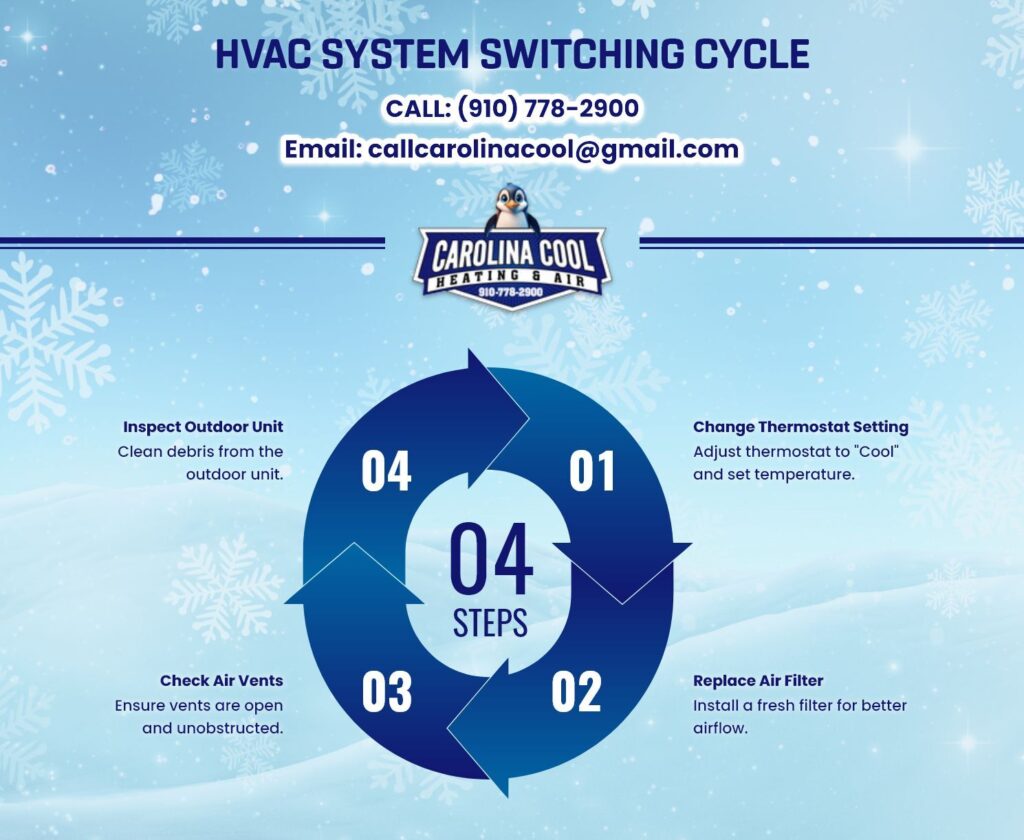
Switching from heat to A/C is simple, but it should be done properly.
Step 1: Change the Thermostat Setting
Set your thermostat from “Heat” to “Cool.”
Set the temperature to around 72–75°F for comfort and energy savings.
Step 2: Replace the Air Filter
A dirty filter blocks airflow and reduces efficiency. Spring is the perfect time to install a fresh filter.
Step 3: Check Air Vents
Make sure vents are open and not blocked by furniture.
Step 4: Inspect the Outdoor Unit
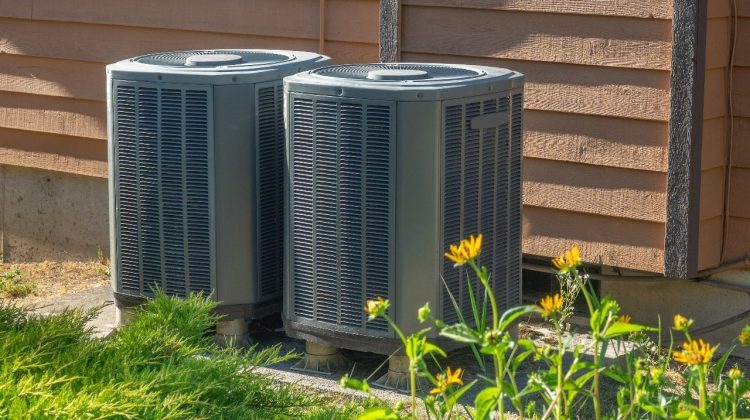
Remove leaves, dirt, or debris around your outside unit. Keep at least 2 feet of clear space around it.
Should You Schedule HVAC Maintenance in Spring?
Yes. Spring HVAC maintenance is very important in North Carolina.
A professional HVAC tune-up can:
- Check refrigerant levels
- Clean coils
- Inspect electrical parts
- Test airflow
- Make sure your system runs safely
Regular maintenance helps your system last longer and lowers the risk of breakdowns during summer heat.
How Spring Weather Affects Your HVAC System
North Carolina spring weather brings:
- Pollen
- Rain
- Humidity
- Sudden temperature swings
Pollen can clog filters quickly. Rain and moisture can affect outdoor units. That is why spring maintenance matters.
If you or your family members have allergies, a clean HVAC system can also improve indoor air quality.
Energy-Saving Tips During the Transition
Switching from heat to A/C is also a good time to improve energy savings.
Here are simple tips:
Use a Programmable Thermostat
Set the temperature higher when you are away from home.
Use Ceiling Fans
Fans help move air and reduce the need for constant cooling.
Seal Air Leaks
Check windows and doors for gaps. Sealing them keeps cool air inside.
Keep Blinds Closed
Blocking direct sunlight reduces indoor heat.
These small steps can lower your energy bill during spring and summer.
What If You Still Need Heat at Night?
It is common in North Carolina to need heat at night but cooling during the day in early spring.
Instead of fully switching to A/C, you can:
- Use the “Auto” setting on your thermostat
- Adjust the temperature manually based on the weather
- Wear light layers at night
By mid to late spring, you likely will not need heat anymore.
Why Choose Local HVAC Experts
North Carolina weather is unique. A local HVAC company understands these seasonal changes better than anyone.
At Carolina Cool Heating & Air, we know how spring weather affects homes across the state. We help homeowners prepare early so they stay comfortable all season long.
From routine maintenance to emergency heating repairs, having a trusted HVAC team makes a big difference.
Final Thoughts
With proper maintenance, clean filters, and smart thermostat settings, your home can stay cool and comfortable all spring and summer. If you are unsure about switching to a new system or want a professional spring HVAC check, Carolina Cool Heating & Air is ready to help. Preparing early saves money, reduces stress, and keeps your family comfortable during North Carolina’s warm months.