

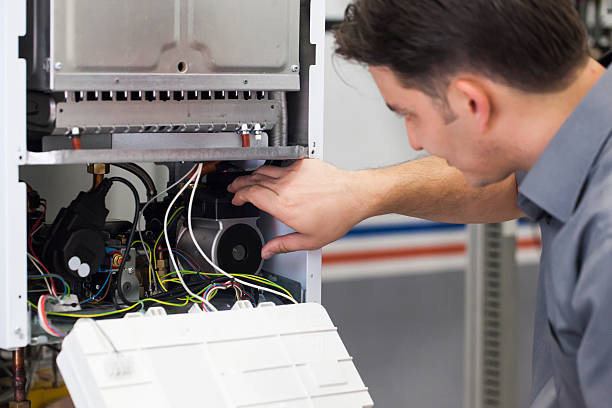
When the weather cools down in North Carolina, most families depend on their heater to keep their homes warm and comfortable. But what if your heater making strange noises? Unusual sounds can leave you feeling worried, wondering if your system is about to break down.
At Carolina Cool Heating & Air, we know how stressful it can be when your heating system doesn’t sound right. That’s why we’ve created this guide to help you understand what those noises might mean and when it’s time to call a professional for heating repair.
Strange sounds from your heater are usually a sign that something is wrong. Ignoring them could lead to bigger problems or even a complete system breakdown. Let’s go over the most common noises you might hear from your heater, what they mean, and what steps you should take.
1. Booming Noises
If you hear a loud banging or booming sound when your heater starts up, it could mean there’s a problem with the ignition system. This happens when gas builds up in the system before it ignites. Once it finally lights, it creates a small explosion sound.
This problem should never be ignored. A faulty ignition can put stress on your heater and may even become dangerous. If you notice this type of sound, turn off your system and call a licensed HVAC technician in North Carolina right away. At Carolina Cool Heating & Air, our team can safely inspect and repair your system to prevent further damage.
2. Screeching Sounds
A squealing or screeching noise is often linked to a worn-out belt or motor bearings. Older systems that still use belt-driven motors are especially prone to this issue. If the belt is loose, it can slip, making that high-pitched squeal you hear.
Lubrication problems with the motor bearings can also cause squealing. If left alone, these parts can wear out quickly and cause more expensive repairs down the road.
The good news? This is usually an easy fix when caught early. Replacing the belt or lubricating the motor can bring your system back to normal.
3. Clanking Sounds
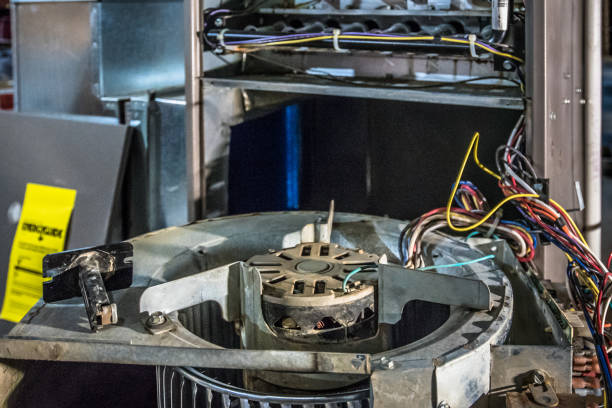
If you hear rattling, clanking, or metal-on-metal sounds, your heater may have loose parts inside. Screws, bolts, or panels can sometimes loosen over time, especially if the system hasn’t had routine maintenance.
In other cases, rattling may mean that a part inside the blower fan or motor has broken. A broken piece of metal moving around can damage other parts of the system.
If you’re in North Carolina and notice rattling sounds, don’t wait too long. Call Carolina Cool Heating & Air for an inspection so we can tighten or replace parts before the problem spreads.
4. Buzzing Sounds
A low humming noise is often normal, especially while your heater is running. But if the humming or buzzing is loud, it could point to electrical problems. Issues with the blower motor, capacitor, or wiring can cause these sounds.
Electrical issues can be dangerous, so it’s best to let a trained technician handle them. Trying to fix electrical parts on your own could put you at risk.
5. Clicking Sounds
Some clicking noises are normal, especially when your heater starts up or shuts down. But if the clicking continues while the system is running, it could mean there’s a problem with the ignition system or a failing electrical component.
In gas furnaces, the igniter or flame sensor may be dirty or malfunctioning. These parts are essential for safe operation, so don’t ignore constant clicking sounds.
6. Grinding Noises
Grinding sounds often mean there’s a serious problem with the motor. The bearings may be worn down, or the motor itself may be failing. Grinding noises should never be ignored because the motor could stop working altogether.
If your heater’s motor fails, your entire system could shut down. Getting help quickly is the best way to avoid an emergency breakdown.
Why You Shouldn’t Ignore Strange Heater Noises
Strange noises are your heater’s way of telling you something is wrong. Even if the system is still working, ignoring unusual sounds can lead to:
- Higher energy bills
- Bigger repair costs
- Shortened system lifespan
- Complete system failure
- Safety risks like gas leaks or electrical problems
Catching the problem early saves money and stress. Plus, it helps your home stay comfortable all winter long in North Carolina.
What You Can Do Before Calling a Professional
Before picking up the phone, here are a few simple steps you can take:
- Check your air filter – Reduce airflow. Replace it if needed.
- Look for loose panels – Tighten any access panels that may have come loose.
- Listen carefully – Try to describe the type of noise (banging, squealing, rattling, etc.) when you call for service. This helps the technician know what to expect.
If the noise continues after these steps, it’s time to call a trusted HVAC company like Carolina Cool Heating & Air.
Final Thoughts
When your heater makes strange noises, it’s a warning sign that something isn’t right. From banging and squealing to rattling and whistling, every sound has a cause. Some are simple fixes, while others need professional attention right away.
If you’re in North Carolina and notice unusual sounds from your heater, don’t ignore them. Carolina Cool Heating & Air for expert heating maintenance and repair. Our team will make sure your system is safe, efficient, and ready to keep your family warm through the cold months.