

Winter in North Carolina can get quite cold, and having a working HVAC system is very important to keep your home warm. If your heating system is not well-maintained, it can lead to higher energy bills, frequent repairs, and an uncomfortable home.
At Carolina Cool Heating & Air, we know that a little preparation before winter can make a big difference. Here is an essential winter HVAC maintenance checklist for homeowners in North Carolina.
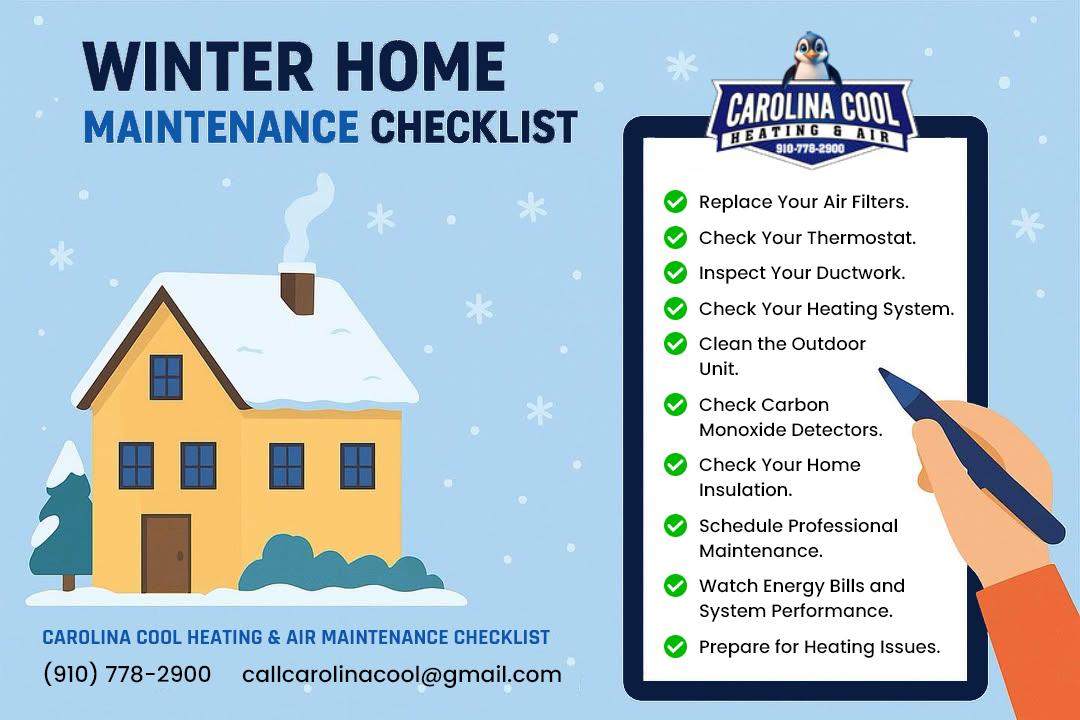
1. Replace Your Air Filters
Replacing air filters is one of the easiest and most important steps in winter HVAC maintenance. Dirty filters can block airflow and make your heating system work harder, which increases energy bills.
- Check your filters every 1–3 months.
- Replace filters with ones that fit your system.
- If you have pets, replace filters more often.
Clean filters help your system run efficiently and improve indoor air quality during the winter months in North Carolina.
2. Check Your Thermostat
Your thermostat controls the temperature in your home. It’s important to make sure it is working correctly before winter.
- Make sure your thermostat shows the correct temperature.
- Upgrade to a programmable thermostat to save energy.
- Set the temperature around 68°F when home and lower when away.
A working thermostat helps reduce energy costs and keeps your home comfortable in North Carolina.
3. Inspect Your Ductwork
Dust and dirt in your ductwork can make your heating system less effective.
- Check ducts for dirt, leaks, or disconnected parts.
- Clean ducts if it has been several years since the last cleaning.
- Seal leaks with duct tape or mastic to prevent heat loss.
Good duct maintenance ensures warm air reaches all rooms in your home during the winter in North Carolina.
4. Check Your Heating System
Your heating system is the most important part of your HVAC during winter. Regular checks help prevent problems.
- Schedule a professional inspection with Carolina Cool Heating & Air to check for worn parts or unusual sounds.
- Test your furnace or heat pump to make sure it works well.
- Lubricate moving parts if needed.
A well-maintained heating system keeps your home warm and lasts longer in North Carolina.
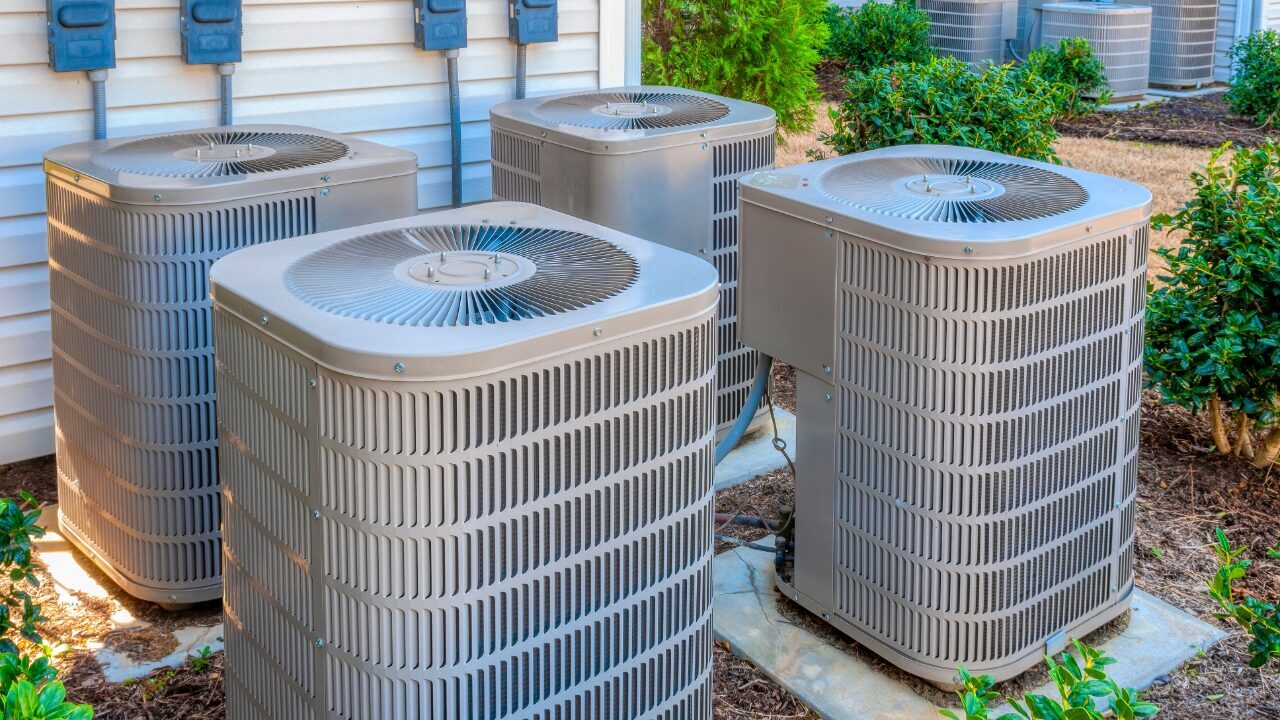
5. Clean the Outdoor Unit
If you have a heat pump or outdoor unit, it also needs care in winter.
- Remove leaves, dirt, and debris around the unit.
- Keep snow and ice from covering the unit.
- Check for visible damage or rust.
Keeping the outdoor unit clean helps your system run better and avoids unnecessary repairs during the cold season in North Carolina.
6. Check Carbon Monoxide Detectors
If your home uses a gas furnace, safety is important.
- Test carbon monoxide detectors to make sure they work.
- Replace batteries if needed.
- Consider installing detectors near bedrooms and living areas.
This ensures your family stays safe while using your heating system in North Carolina.
7. Check Your Home Insulation
Even a good HVAC system can struggle if your home is not well-insulated.
- Check insulation in your attic, walls, and crawl spaces.
- Seal gaps around windows, doors, and vents.
- Add weather stripping or caulking if needed.
Good insulation helps your heating system work efficiently and keeps your home warm in North Carolina.
8. Schedule Professional Maintenance
Some HVAC maintenance can be done by homeowners, but professional service is important.
- Schedule an annual check with Carolina Cool Heating & Air before winter.
- Professionals clean internal parts, check system performance, and make sure everything works safely.
- Regular professional service reduces repairs and improves efficiency.
A professional check keeps your system ready for the cold season in North Carolina.
9. Watch Energy Bills and System Performance
Monitoring your energy use and system performance can help you find problems early.
- Compare your energy bills to last year.
- Listen for unusual noises or uneven heating in your home.
- Address problems quickly to avoid bigger issues.
Watching your system helps maintain efficiency and comfort throughout the winter in North Carolina.
10. Prepare for Heating Issues
Even with proper maintenance, heating systems can have problems.
- Keep contact information for Carolina Cool Heating & Air handy.
- Have backup heating options, like safe portable heaters.
- Know basic steps like checking the thermostat or breakers.
Being prepared ensures your home stays warm during the coldest days in North Carolina.
Conclusion
Winter HVAC maintenance is very important for homeowners in North Carolina. Following this checklist can help your system run efficiently, reduce energy costs, and keep your home warm. From replacing air filters and checking ducts to scheduling professional maintenance with Carolina Cool Heating & Air, each step makes a difference.